
Coconut shell and woven fibre
Made in Vietnam, made to survive the trip.
Materials
-
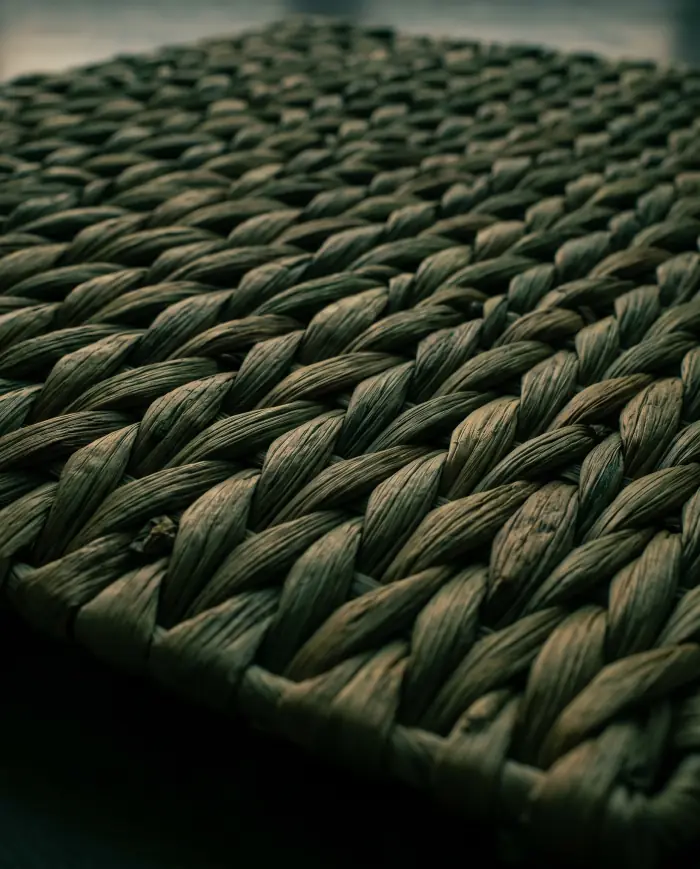
Woven fibre
Water hyacinth and seagrass, cut on Vietnamese waterways and dried before they can be worked. How long they dry decides whether the weave holds.
-
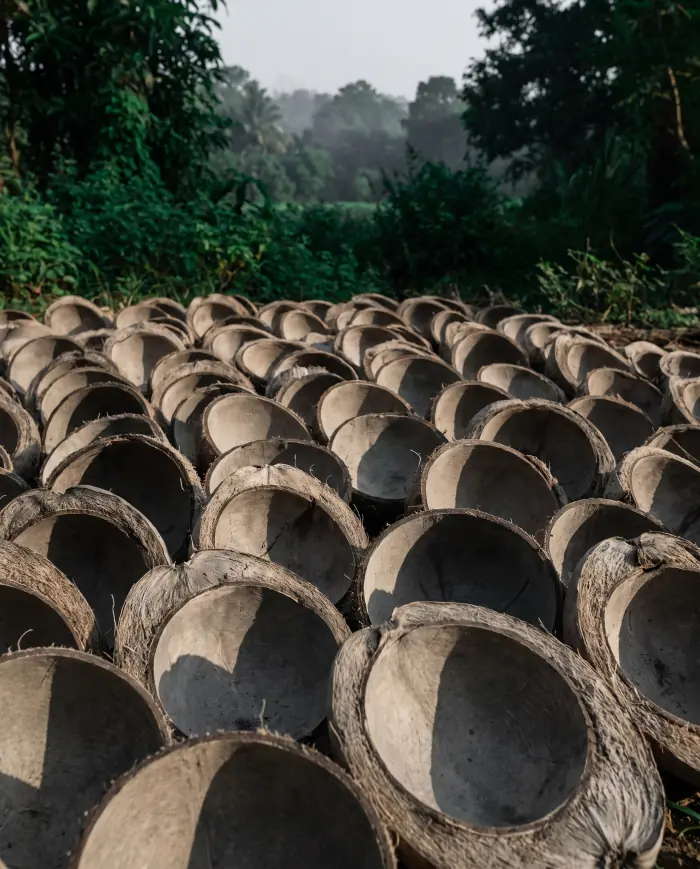
Coconut shell
Shell from the coconut processing yards around Ben Tre. Cut and sanded, it is hard as a hardwood and holds a fine finish.
Origin
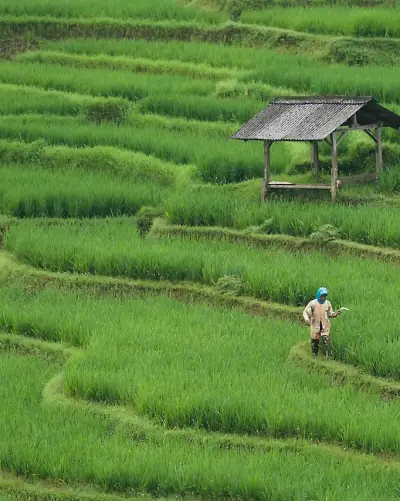
Sarus sources coconut shell around Ben Tre, and woven fibre from workshops in the north, where hyacinth and seagrass are worked at volume.
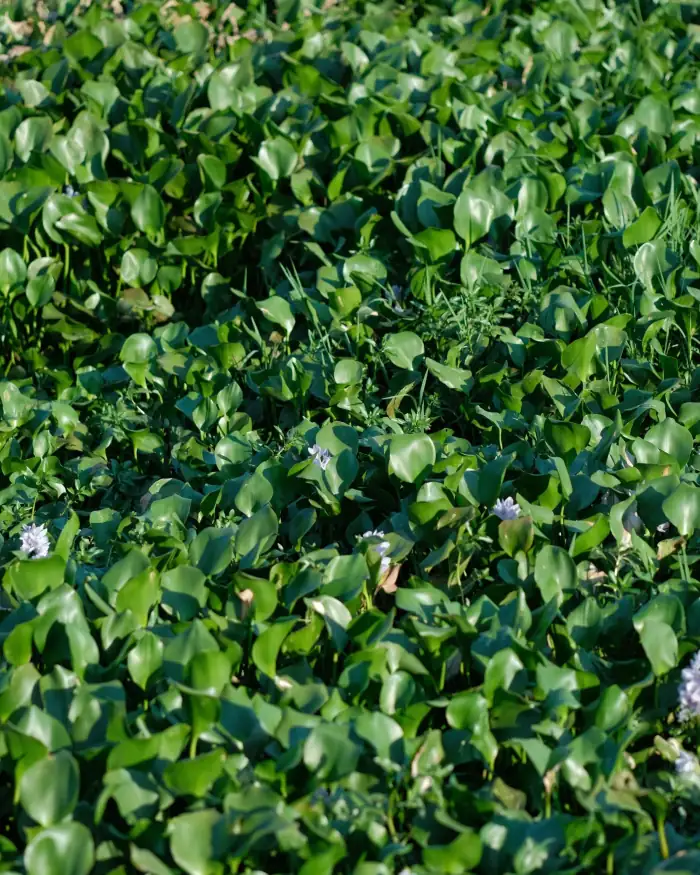
Water hyacinth grows fast enough on Vietnamese waterways to block boat traffic. Clearing it is ordinary work, and the stems are what the clearing leaves behind.
How long those stems dry decides whether a basket keeps its shape in a heated house in Minnesota or slowly goes oval over a winter. That one step is most of the difference between a supplier worth using and a cheap one.
Working with us
Sarus is sourcing in both materials and adds suppliers as the range grows. Quotes are reviewed as they come in: coconut shell, water hyacinth, seagrass.
What a quote has to contain is set out on its own page: packed carton dimensions and gross weight, moisture content measured before packing, and the retail preparation spec.