Materials

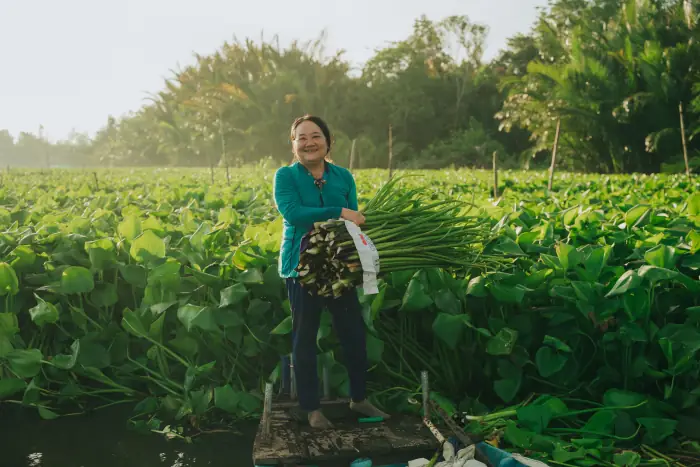
A worker gathering cut water hyacinth by the armful in a dense green stand of the plant.

Water hyacinth

It floats. Whole mats of it drift down Vietnamese waterways and have to be cleared, which is why the stems cost almost nothing and why supply follows the weather from one month to the next.

A cut stem is mostly water. It loses more than half its weight on the drying rack, and how that happens decides everything after. Dried too fast in direct sun, the fibre turns brittle and splits at the weave. Dried too slowly in that humidity, it holds mould that surfaces later, usually in a warehouse on the other side of the Pacific.
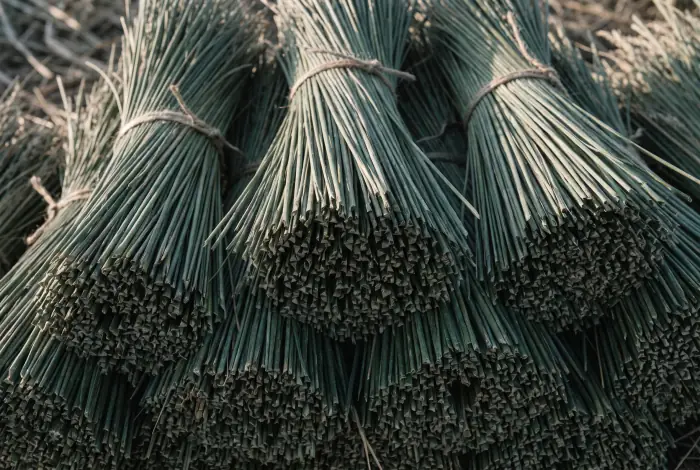
Tied sheaves of dried sedge stems stood upright, the cut ends facing the camera, the grain tight and regular.

Seagrass

Tougher than hyacinth and more uniform, with a tighter grain and a colder colour. It takes a crisper edge on a rim, which is why it suits lidded boxes, where the lid has to stay flat.

It is also less forgiving. A seagrass basket woven loose stays loose, through packing and all the way to the shelf.

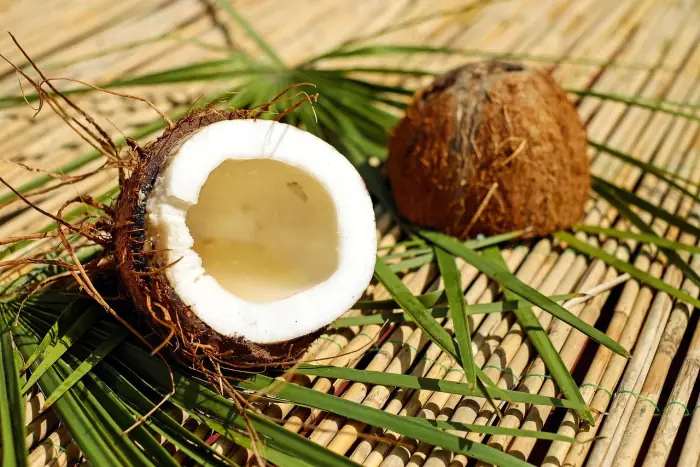
A coconut split open, the white flesh and the hard inner shell wall visible at the cut.

Coconut shell

Ben Tre processes coconut at scale. The shell is what is left once the water and the meat are taken, and most of it is burned for fuel. It is dense enough to turn and sand like timber.

It also varies. Two shells from the same lot differ in thickness and in curve. A set of bowls that has to look like a set means sorting the shells before they are cut.

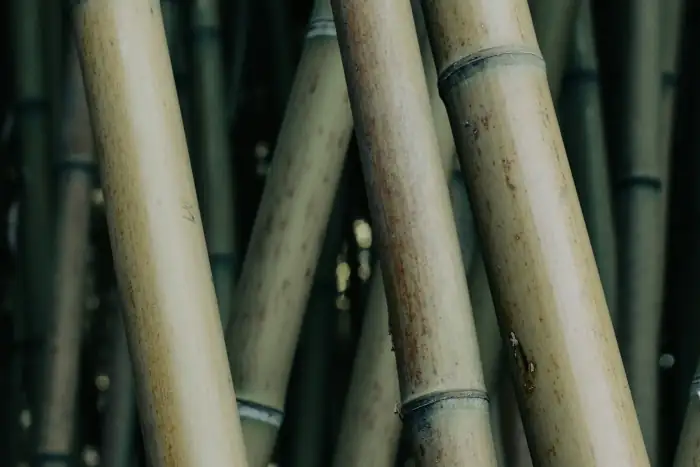
Cut bamboo culms stacked together, side light picking out the nodes along each pole.

Bamboo

It goes into handles, rims and spoons. Cut in the right season it is dense and stable. Cut during growth it stays soft, and the starch left in it attracts insects long after the piece is finished.

Species matters less than treatment.

  • Dried coconut shells stacked in a heap, cut faces upward.
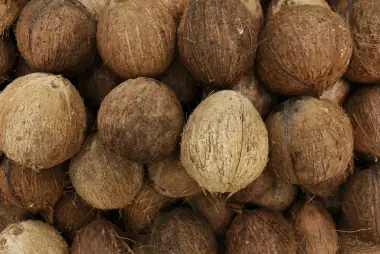
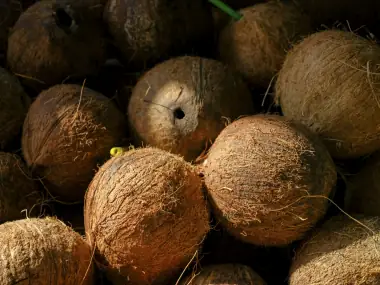
  • Whole coconuts piled together, husk still rough and brown.
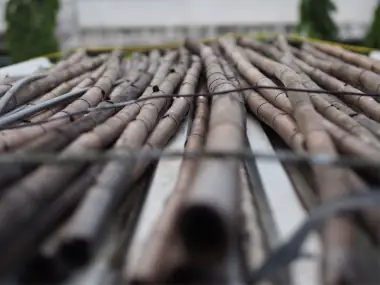
  • Cut bamboo stalks laid in piles, seen from above.
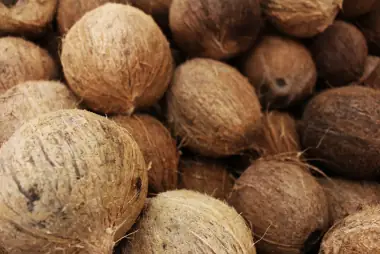
  • A group of whole coconuts resting together on the ground.
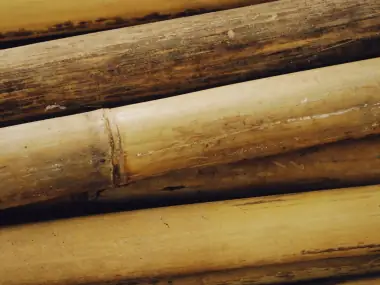
  • Bamboo poles side by side, the grain and nodes in close view.
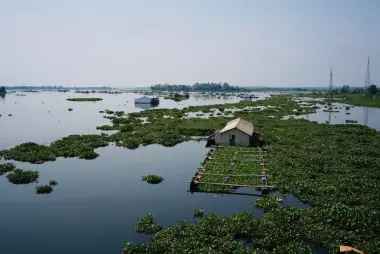
  • A waterway covered with water hyacinth, a small floating house at its edge.

What decides quality

Very little of it happens at the weaving bench. Moisture content at the moment of packing, tension held evenly across a whole run, and a finish that is right for food contact decide whether a piece lasts three years in an American kitchen.

Those are the things Sarus asks a supplier to put in writing. What a quote has to contain is set out separately.